Animify
The cyberpunk anime aesthetic is one of the most visually arresting styles in all of animation. From the rain-slicked streets of Neo-Tokyo in Akira to the chrome-and-neon body horror of Ghost in the Shell, from the sprawling megastructures of Blame! to the adrenalized body-modification culture of Cyberpunk: Edgerunners, this genre has produced decades of iconic imagery that has influenced everything from Hollywood films to fashion design to real-world architecture.
Now, AI anime generators have made the cyberpunk anime aesthetic accessible to anyone with a photo. Whether you want to transform a night city shot into a rain-soaked neon dreamscape or turn a portrait into something that looks like it belongs on an Edgerunners character sheet, understanding the genre's visual language helps you get better results. This guide unpacks every element of the cyberpunk anime look, explains how AI renders those elements, and provides practical advice for the best transformations.
The Visual DNA of Cyberpunk Anime: Six Defining Elements
1. Neon Chromatics: The Color Palette of the Future
The cyberpunk anime color palette is perhaps its most immediately recognizable feature. It is built on contrast — specifically, the contrast between darkness and electric light. The foundational colors are:
- Electric cyan and cobalt blue — the default color of holographic interfaces, augmented reality overlays, and the ambient glow of future-tech
- Magenta, hot pink, and electric purple — the colors of neon signs, synthetic biology, and the entertainment districts of cyberpunk cities
- Acid green and toxic yellow — associated with data streams, digital code, and the unnatural fluorescence of a polluted world
- Deep blacks and charcoal grays — the base tones against which all neon colors are defined, representing the darkness of an environment where natural light has been replaced by artificial glow
In cyberpunk anime, these colors do not appear as gentle gradients (that is the watercolor style's territory) but as sharp, glowing light sources against dark backgrounds. This high-contrast approach creates the genre's characteristic visual intensity.
2. The Urban Megastructure: Architecture as Character
Cyberpunk anime environments are defined by scale that dwarfs the individual. Towering megastructures — arcologies, corporate headquarters, vertical cities — create a sense of human insignificance in the face of technological systems. Key architectural elements include:
- Layered cityscapes: Multiple levels of urban infrastructure stacked vertically — elevated highways above street-level markets above subterranean utility corridors
- Holographic advertising: Giant floating billboards and projected advertisements that turn the city itself into a commercial medium
- Industrial infrastructure exposed: Pipes, conduits, vents, and mechanical systems visible on building exteriors rather than hidden behind facades
- Retro-future anachronism: Advanced technology built on top of aging infrastructure — flying cars navigating between crumbling 20th-century buildings
When AI renders cyberpunk environments, it amplifies these architectural patterns. A standard city photo gains holographic overlays, enhanced verticality, and atmospheric depth that suggests a much larger urban system extending beyond the frame.
3. Atmospheric Density: Rain, Fog, Smoke, and Haze
Cyberpunk anime is atmospherically dense. The air is rarely clear — it is filled with rain, fog, steam from street vents, industrial smoke, and the particulate haze of a polluted environment. This atmospheric density serves multiple visual purposes:
- Light scattering: Neon lights and holographic projections scatter through rain and fog, creating volumetric light effects that add depth to scenes
- Reflective surfaces: Wet streets, puddles, and rain-slicked surfaces mirror the neon lights above, doubling the visual impact of every light source
- Visual depth: Atmospheric haze creates natural depth separation — foreground elements are clear, midground elements are slightly hazy, and background structures fade into the mist
This is why rainy or overcast photos produce the best cyberpunk AI transformations. The moisture in the scene provides the AI with natural light-scattering reference points that align with how it has learned to render cyberpunk environments.
4. High-Tech / Low-Life: The Human Element
 Neon-saturated city streets are the visual foundation of cyberpunk anime
The phrase "high tech, low life" is the genre's thematic core, and it manifests visually. Cyberpunk anime characters are defined by the contrast between their technological augmentation and their often-marginal social circumstances. Visual markers include:
- Cybernetics and body modification: Visible mechanical limbs, neural ports, optical implants, and synthetic skin
- Utilitarian fashion: Functional clothing — jackets with too many pockets, worn boots, tactical vests — that suggests a world where survival is not guaranteed
- The hacker aesthetic: Characters interfacing with digital systems through gesture, neural link, or direct cable connection
- Subculture signifiers: Punk-influenced hair, gang colors, street-level fashion that distinguishes communities within the urban sprawl
In AI photo-to-anime transformations, the human element is where the style makes creative choices. Portrait photos gain cyberpunk character markers depending on the input: darker clothing might be rendered as tactical gear, glasses might become augmented-reality visors, headphones might transform into neural interface hardware. The AI "reads" your photo for elements it can reinterpret through a cyberpunk lens.
5. Noir Lighting: Shadows With Intent
Cyberpunk anime inherits heavily from film noir, particularly in its approach to lighting. Light sources are directional and motivated — light comes from somewhere specific (a neon sign, a holographic display, a computer terminal) and casts dramatic shadows across faces and environments. This creates visual drama and a sense of moral ambiguity that supports the genre's thematic concerns.
The noir lighting approach means that even brightly-lit cyberpunk scenes feel tense and atmospheric rather than cheerful. Light reveals, but it also casts shadows — and the shadows are where the interesting things happen.
Iconic Works That Defined the Cyberpunk Anime Aesthetic
Understanding the genre's visual evolution helps you communicate more effectively with AI tools about what you want. Here are the touchstone works that shaped the aesthetic:
| Work | Year | Visual Contribution |
|---|---|---|
| Akira | 1988 | Established Neo-Tokyo visual language; motorcycle designs; body horror; explosive light effects |
| Ghost in the Shell | 1995 | Defined "cyberpunk city" look; optical camouflage; cyber-brain aesthetics; philosophical visual symbolism |
| Serial Experiments Lain | 1998 | Digital dissociation aesthetic; wireframe worlds; liminal cyberspace visuals |
| Psycho-Pass | 2012 | Clean futuristic surveillance aesthetic; holographic UI design; dystopian urban planning |
| Cyberpunk: Edgerunners | 2022 | Body modification visual vocabulary; Sandevistan effect; Night City verticality; punk fashion design |
How AI Renders the Cyberpunk Aesthetic
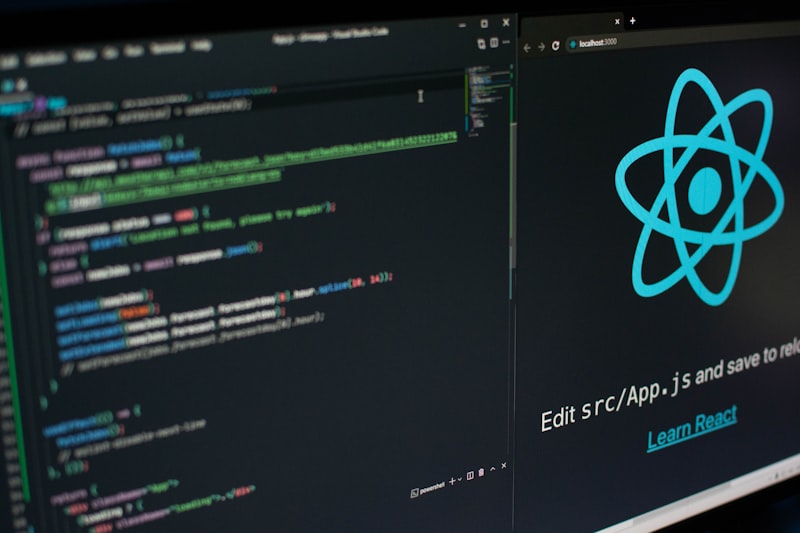 AI reinterprets digital aesthetics into the cyberpunk visual vocabulary
When you apply a cyberpunk anime filter to your photo, the AI is not simply turning up the saturation on blue and pink pixels. It is performing a structured reinterpretation of your image guided by a style prompt that encodes the visual elements described above. Here is what actually changes in your photo:
- Color space remapping: The entire color palette is shifted toward the cyberpunk spectrum. Warm daylight tones are cooled. Existing light sources are intensified and color-shifted toward neon cyan, magenta, or electric purple.
- Atmospheric injection: The AI adds environmental effects — rain, fog, steam, or digital particle effects — that increase the atmospheric density of the scene. These effects are integrated into the image, not overlaid as a separate layer.
- Light source amplification and creation: Existing light sources in your photo (street lamps, window lights, phone screens) become dramatically brighter and more colorful. The AI may also create new light sources — adding neon signs to buildings, holographic overlays to surfaces, or glowing elements to character features.
- Architectural reinterpretation: Buildings and urban structures receive enhanced detail — more windows, more mechanical elements, greater verticality. The AI transforms ordinary urban infrastructure into cyberpunk megastructure.
- Character stylization: Portraits receive cyberpunk character treatment — darker clothing gains tactical elements, reflective surfaces become chrome or glass, and lighting on faces becomes more dramatic and noir-influenced.
The overall effect is a complete atmospheric transformation that makes even a daytime photo feel like a still from a cyberpunk anime film.
Best Photo Types for Cyberpunk Anime Transformation
Night City Photography (Ideal)
Photos taken in cities at night produce the most dramatic, authentic cyberpunk results. The existing artificial lighting provides the AI with natural anchor points for its neon amplification. Street-level photos work better than rooftop or aerial shots because the genre visual language emphasizes the experience of being in the city rather than above it. Look for scenes with visible light sources — street lamps, store signs, car headlights and taillights, illuminated windows.
Rainy and Overcast Photography (Excellent)
As discussed, moisture enhances cyberpunk AI output dramatically. Rain creates reflective surfaces that double every light source. Fog provides natural atmospheric depth that the AI can amplify. Overcast skies create the dark, moody baseline against which neon glows pop. If you have an opportunity to photograph your city during or after rain at night, the resulting cyberpunk transformation will be dramatically better than the same scene photographed on a clear day.
Portraits With Dramatic Lighting (Good to Excellent)
Portrait photos with existing dramatic or colored lighting transform beautifully into cyberpunk character art. A portrait lit from one side creates natural noir shadows. A portrait with colored light (from a neon sign, a colored bulb, or a concert light show) provides reference colors the AI can amplify. Even a standard well-lit portrait can work — the AI will introduce dramatic lighting and cyberpunk character elements — but photos that already have some visual drama produce stronger results.
Technology and Industrial Photography (Good)
Photos featuring technology — computers, servers, electronic equipment, industrial machinery — give the AI concrete tech elements to work with and amplify. A photo of someone at a computer desk can become a hacker-at-workstation scene. A photo of an industrial facility can become a dystopian factory. The key is contrast: the AI looks for metallic surfaces, cables, screens, and structural geometry it can reinterpret through a sci-fi lens. Even a photo of a server rack or a subway escalator can produce striking results — the more mechanical detail in the frame, the more material the AI has to build its cyberpunk world.
Cyberpunk vs. Other Styles: When to Go Neon
The cyberpunk style produces intense, high-energy output. It is the right choice when you want your image to feel edgy, futuristic, dramatic, or intense. It is the wrong choice when you want warmth (use Ghibli), romance (use watercolor), or gentle nostalgia. Choose cyberpunk for: gaming profile pictures, tech and streaming brand content, edgy social media aesthetics, nightlife photography, concert and event photos, and any context where high visual intensity is an asset rather than a liability.
Transform Your Photos Into Cyberpunk Anime Art
The cyberpunk genre has always been about transformation — of bodies, of cities, of society itself. AI cyberpunk anime generation extends that tradition to your personal photos, offering a glimpse of yourself and your world through the neon-tinted lens of one of animation's most visually powerful traditions.
Try the cyberpunk anime filter free on AnimifyAI with 2 complimentary transformations. For best results, use a night city photo or a dramatically-lit portrait. No account required, no watermarks, results in seconds. Explore all six anime styles — from cinematic Shinkai to adorable chibi — and find the aesthetic that fits your vision.
Got a night-out photo with neon signs or streetlights in the background? That is pure cyberpunk fuel. Upload it now and watch the AI flood the scene with electric color and atmospheric haze — turning your Saturday night snapshot into something straight out of Night City.